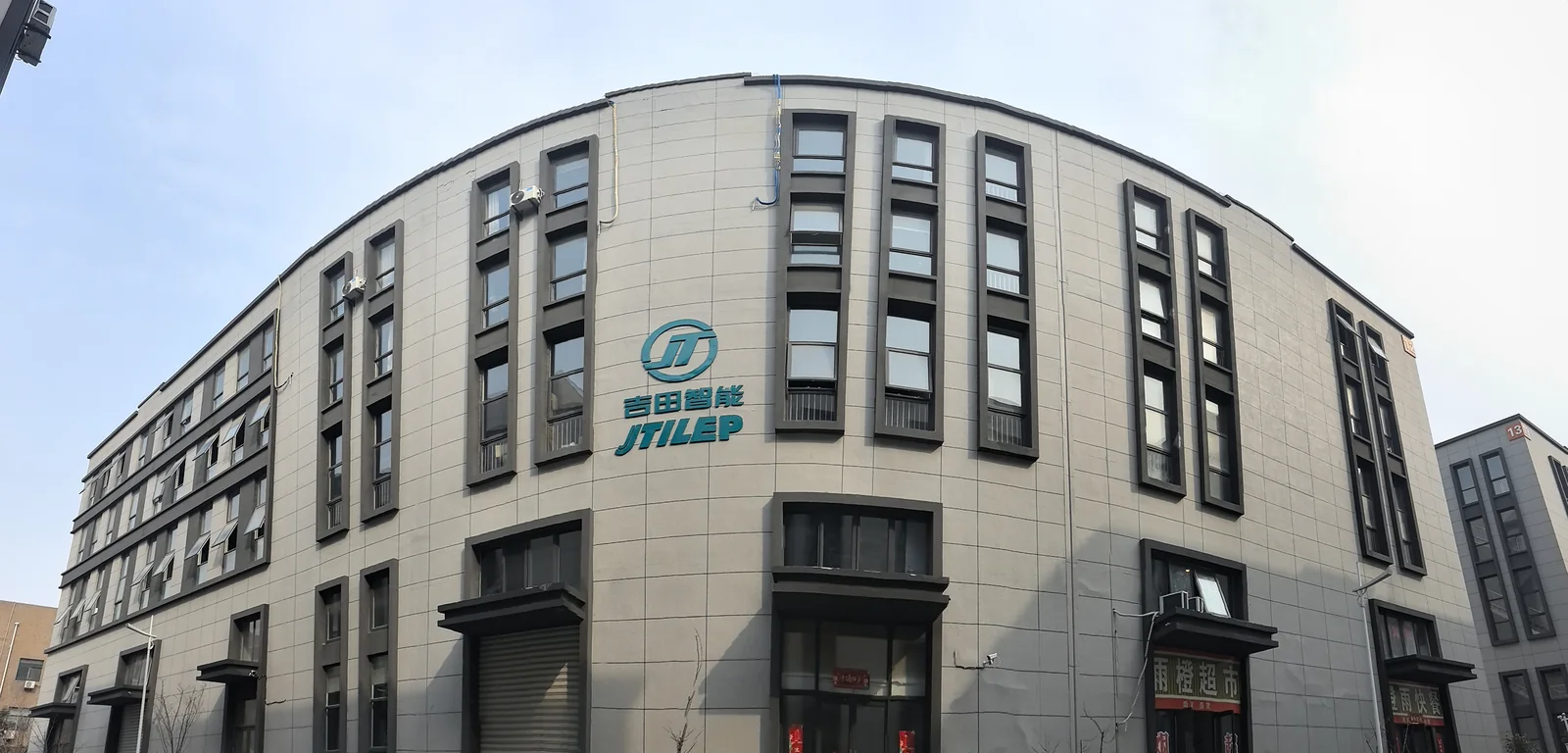
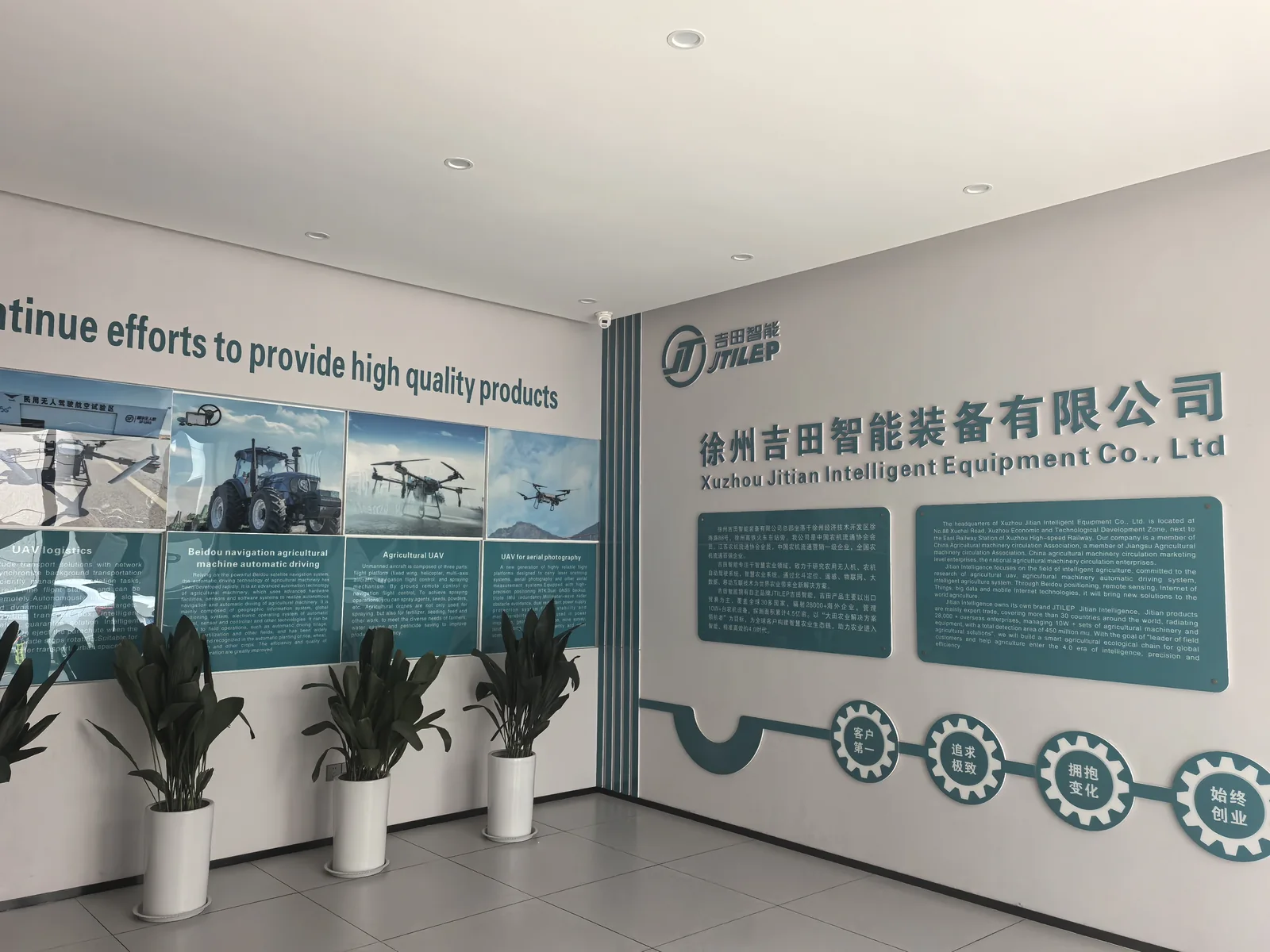
These are two levels of the same story. Smart agriculture is the whole connected-farming system — sensors, data, decisions. Smart agricultural machinery is the hardware that actually walks the field and flies the field. One is the vision; the other is what you can buy today.
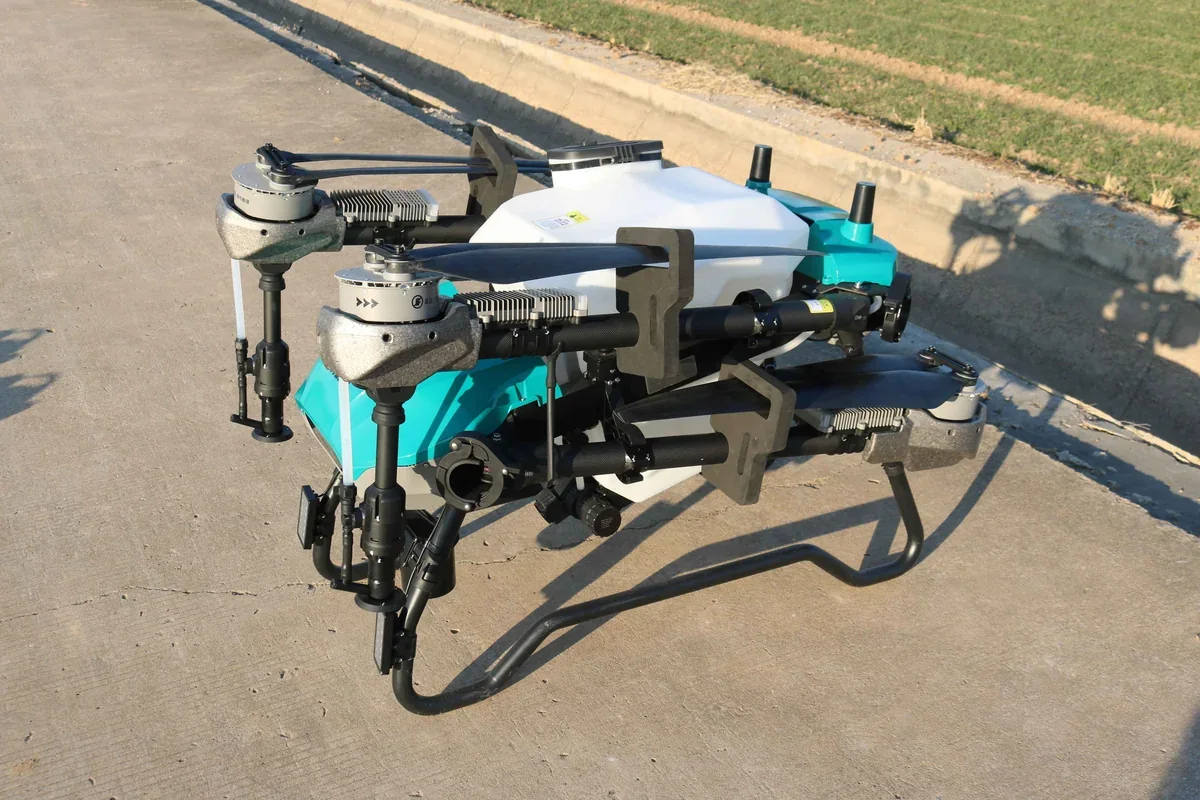
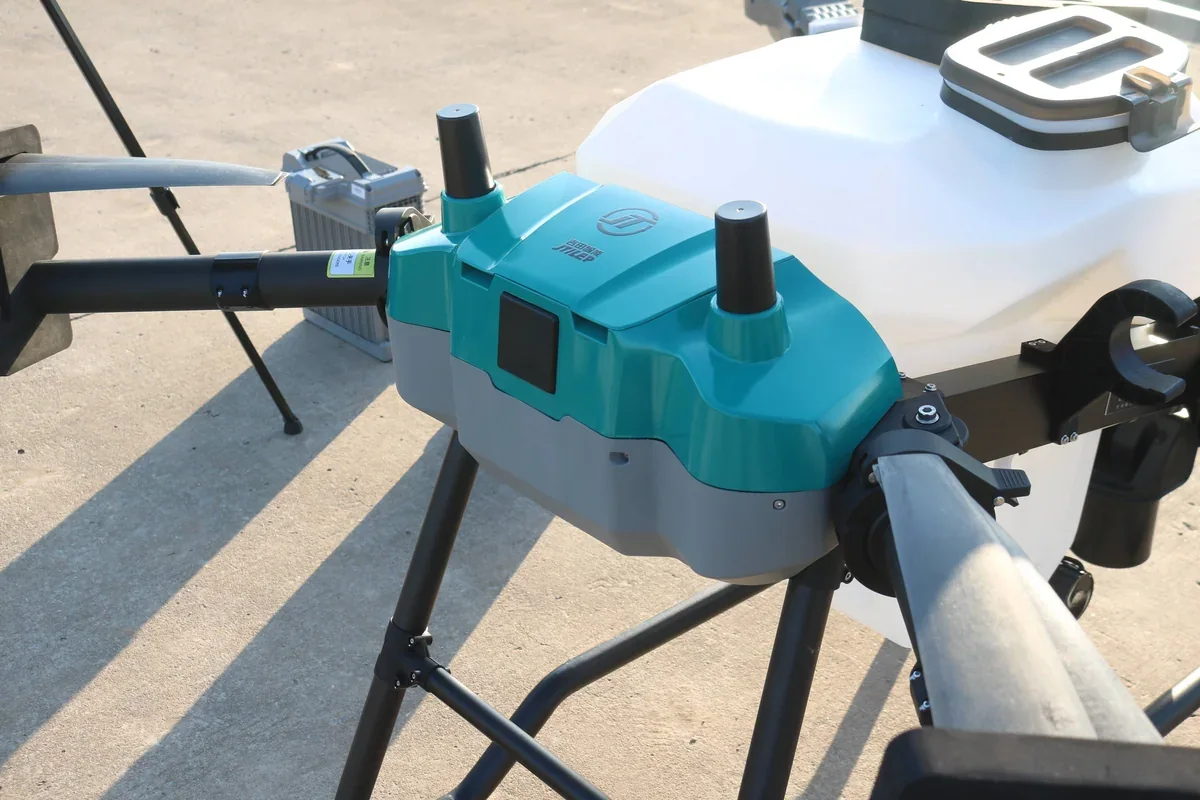
Smart machinery is a sub-topic of smart agriculture — the execution layer. Everything in the wider system depends on machines that can hold a line, cover ground and report back.
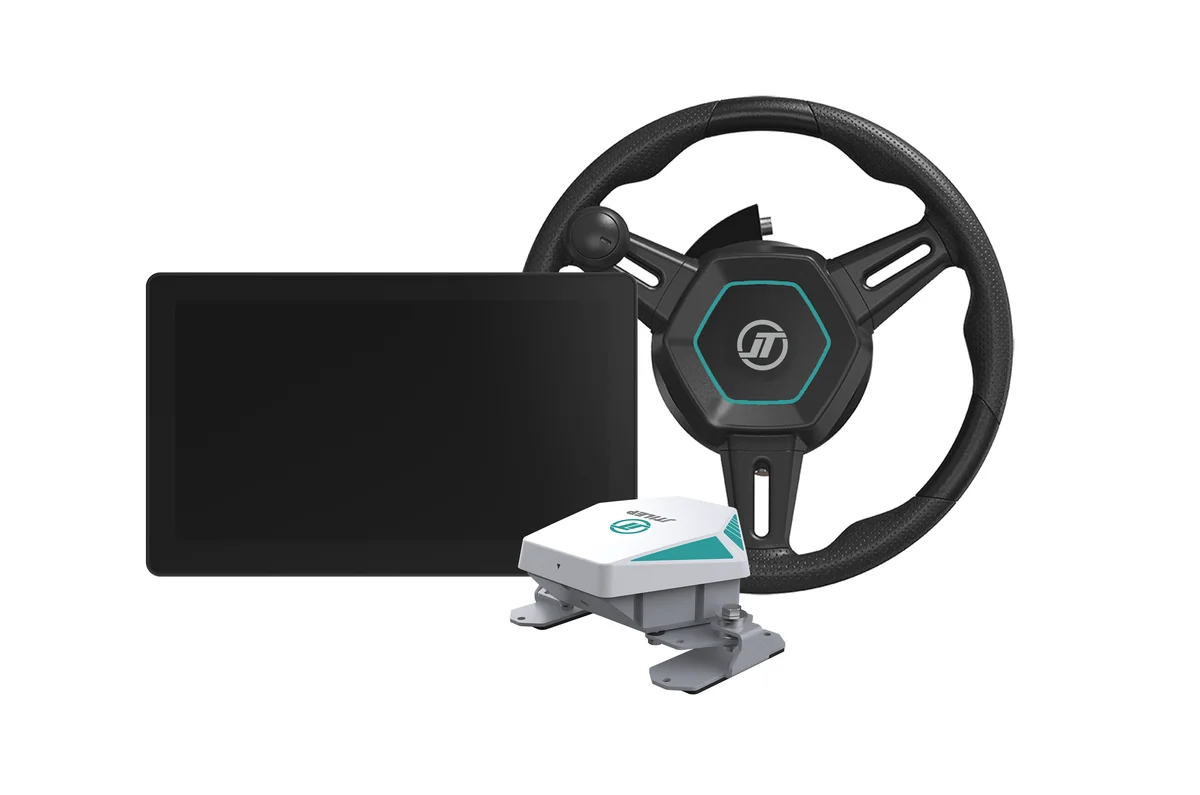
The ground layer deserves its own page: what ±2.5 cm RTK actually changes across tillage, planting and spraying, what ships in the kit, and the one scope point buyers most often get wrong.
Most of what gets labelled smart agriculture comes down to these four layers. We build the first two.
| Layer | What it does | Typical equipment |
|---|---|---|
| Precision positioning | Centimetre-level fieldwork — tillage, seeding, fertilising, spraying | Tractor auto-steering (GNSS + RTK) |
| Aerial sensing & application | Spraying, spreading, mapping, crop scouting | Agricultural drones (crop protection, seeding) |
| Ground sensing | Real-time soil, weather and crop data | IoT sensors, weather stations |
| AI decision layer | Prescription maps, forecasting, fleet scheduling | Farm management platforms, cloud algorithms |
Where the industry is, and where we are taking it.
RTK auto-steering that holds centimetre-level lines. The HD818 retrofit kit puts assisted driving onto the tractors you already own.
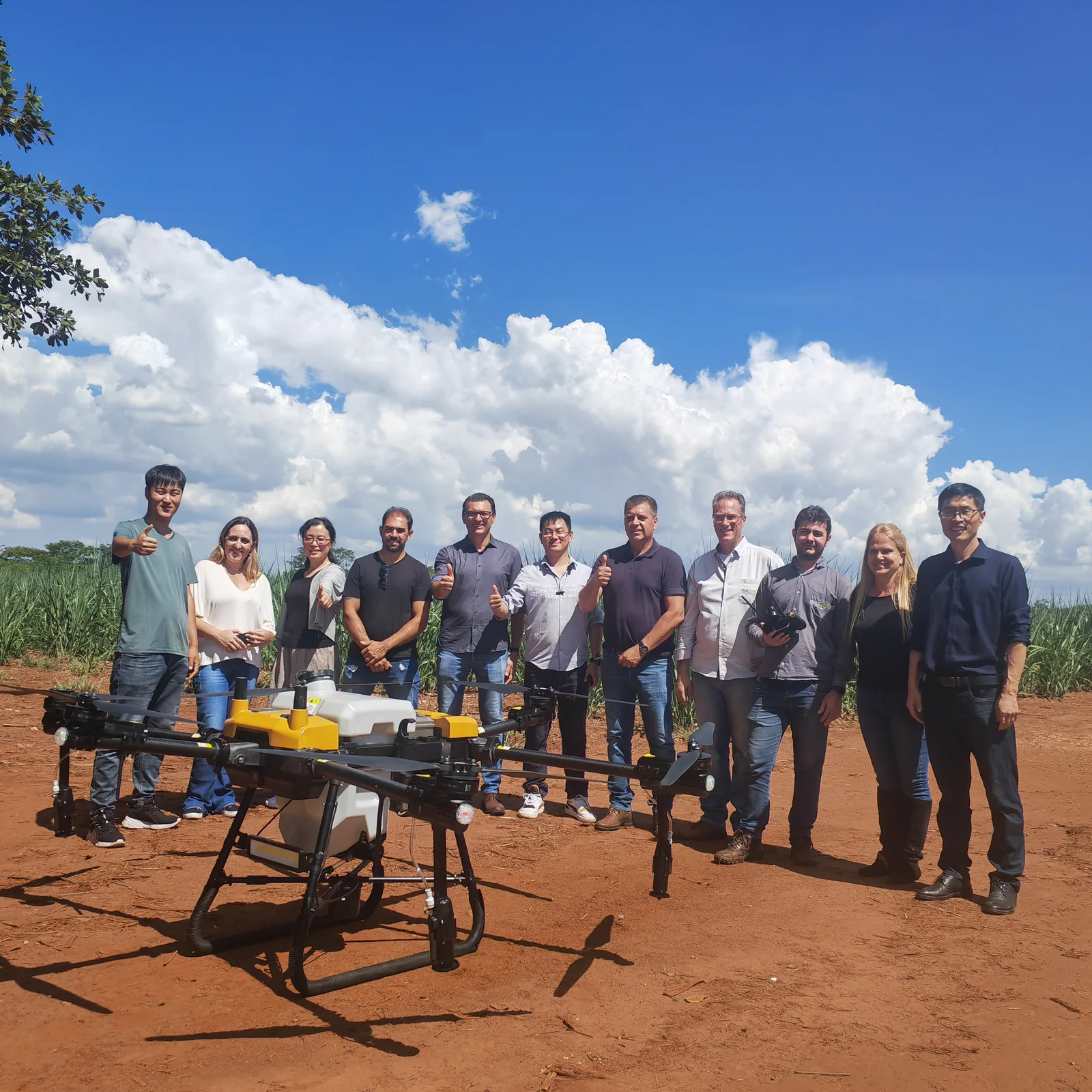
Single-machine unmanned operations. The JT-80 handles crop protection and seeding from the air with route planning and multi-aircraft coordination.
Air-ground robot fleets with vision, laser and millimetre-wave sensing, making their own decisions. Our strategic direction, not a shipping product.
Tell us your field size, crop, terrain and what is slowing you down. We will tell you honestly whether you need ground, air — or neither yet.