Run a farm like a connected system — air, ground, sensors and decisions pointed at the same job of doing fieldwork more precisely, more efficiently, more autonomously. Jitian Intelligent (JTILEP) is a Chinese supplier manufacturing agri-equipment since 2008, exporting air-ground systems to 30+ countries.
It is not one tool. It is a connected workflow that turns every field into a layer of data, analysis, and execution. The three layers keep feeding each other — every job makes the next job more accurate.
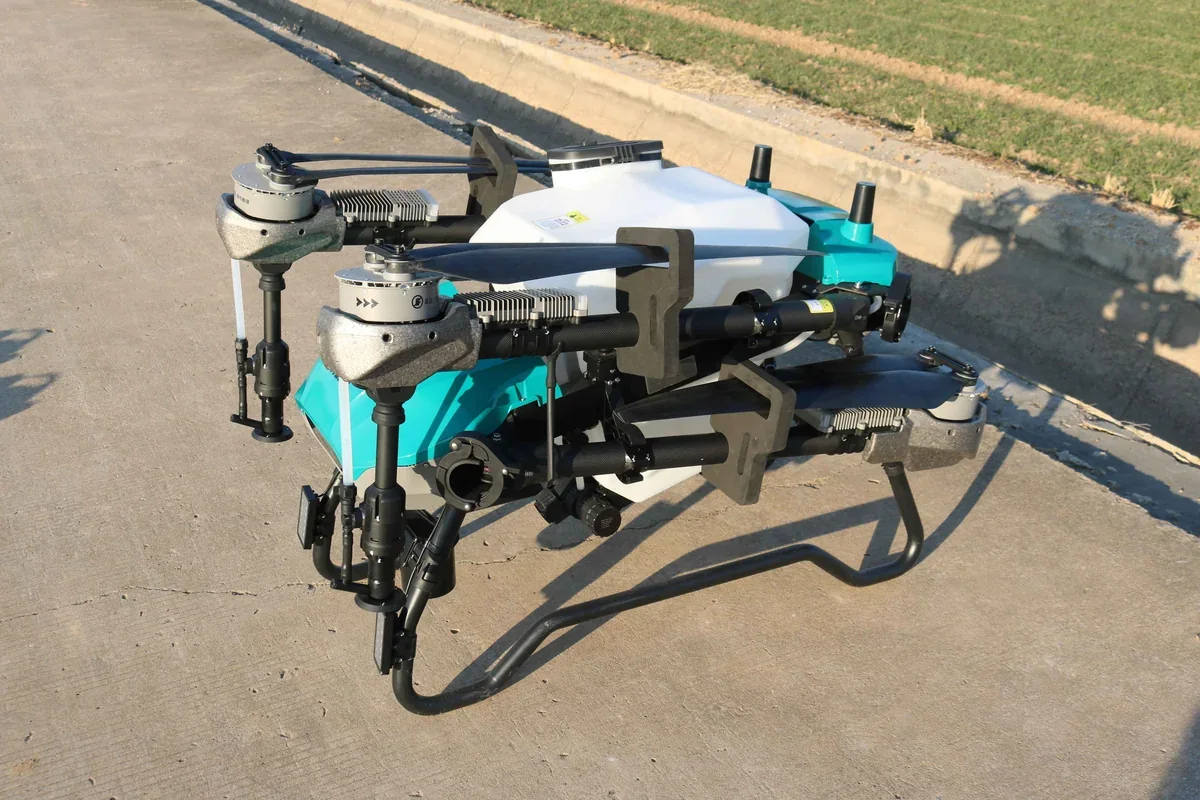
Drones and ground sensors collect what the eye cannot see — plant health, soil moisture, pest hotspots, growth stage. Jitian JT-80 drone + GNSS tractor units collect this layer in flight.
Cloud platforms turn raw data into prescription maps: where to spray, where to skip, how much input per zone. Without this layer, drones and tractors are just expensive toys.
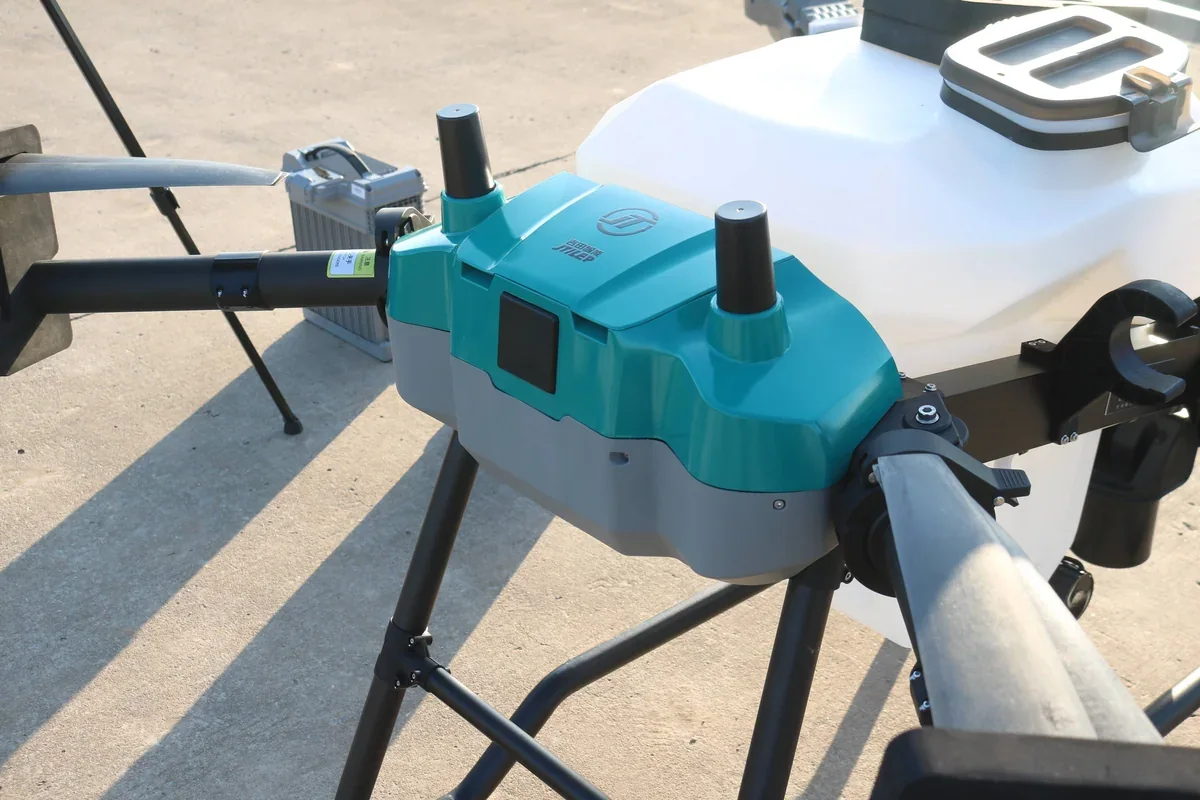
HD818 auto-steering tractors drive centimeter-straight rows. JT-80 drones execute variable-rate spray and spread, down to 12m swaths and 40L/min flow. Every pass is logged.
Four layers, one supplier. Most buyers end up patching together a sensor from one vendor, a drone from another, and a tractor kit from a third. We build two of those layers in-house and integrate cleanly with the rest of your ecosystem.
Centimeter-level guidance for tillage, planting, fertilizing and spraying.
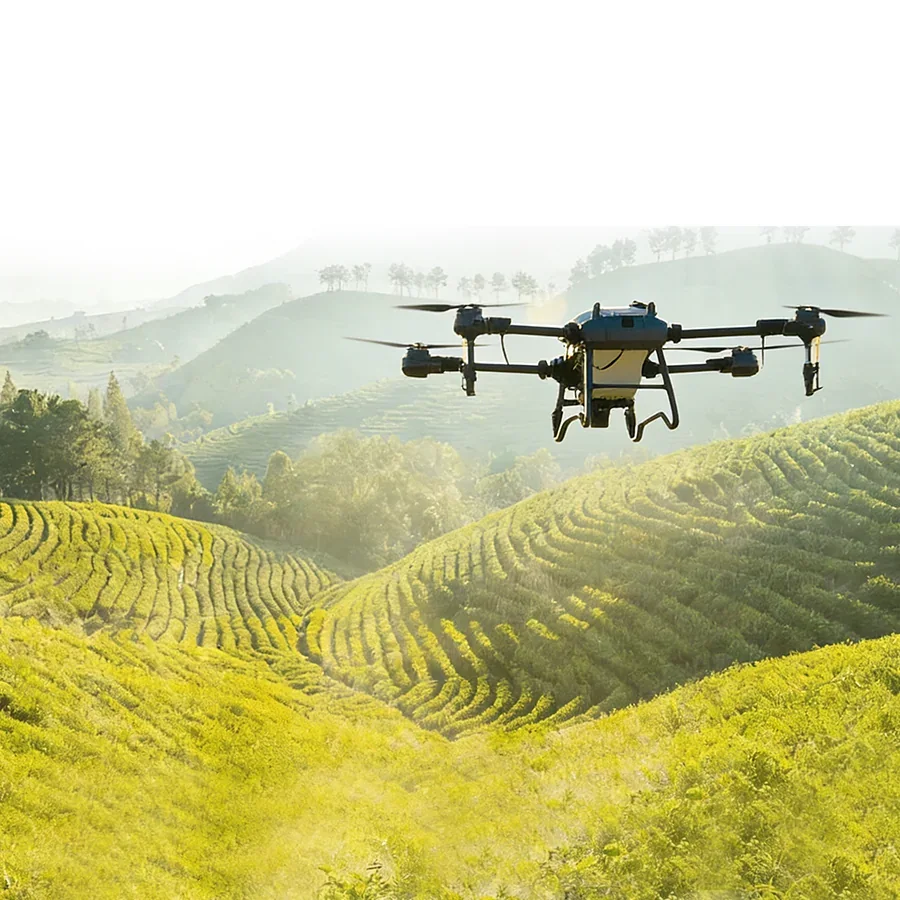
Aerial spraying and spreading for crops too wet or too tall for tractors.
Soil, weather and crop data that feed the analysis layer.
Prescription maps, scheduling and reporting — the brain of the system.
Layers 01 & 02 are built and shipped in-house. Layers 03 & 04 are integrated with your existing platform or partner ecosystem. See the machinery lineup →
The same stack behaves differently depending on the farm. Buyers start from the pain point, not from the equipment list.
Wheat, corn, soybean. Pain point: input waste and overlap. HD818 alone pays back in the first season by cutting 5–15% overlap on tillage and planting.
Tractors can't enter when canopies close. JT-80 handles pest/disease spraying without compacting soil or damaging fruit zone.
Rice, cotton, sugarcane. Pain point: spraying window is short. JT-80 covers ~3 ha per flight, 10–20× faster than backpack teams.
Government projects, large estates, agri-cooperatives. Combine HD818 + JT-80 with the analysis layer for full job-level reporting.
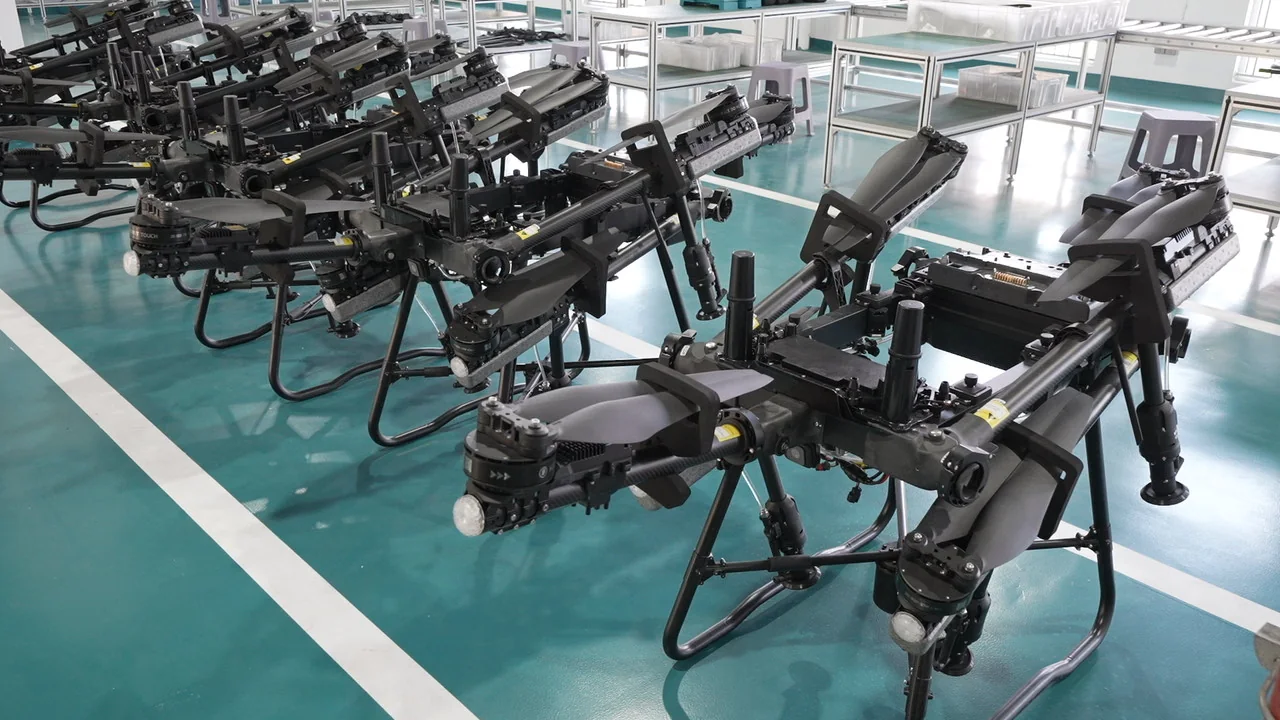
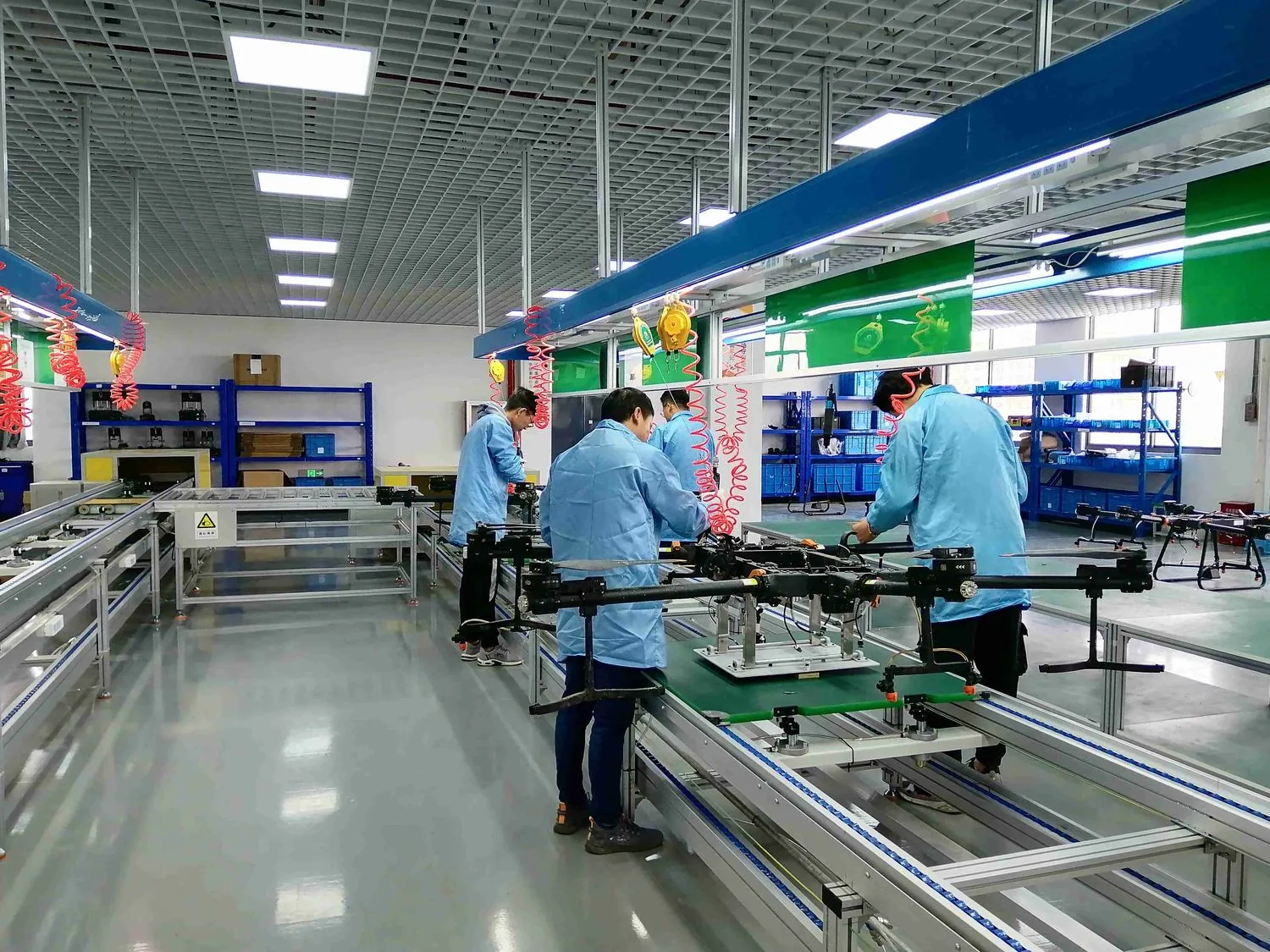
Most global smart-ag content comes from John Deere, AGCO, or industry analysts. Less from the actual manufacturer on the floor. Jitian is one of the few suppliers who can show you the production line, the certifications and the export book in one place.
A spray drone on its own is a faster sprayer. A tractor kit on its own is a straighter tractor. Put both on the same field map and each machine starts covering the other's blind spots — the tractor holds the line, the drone reaches what the tractor cannot.
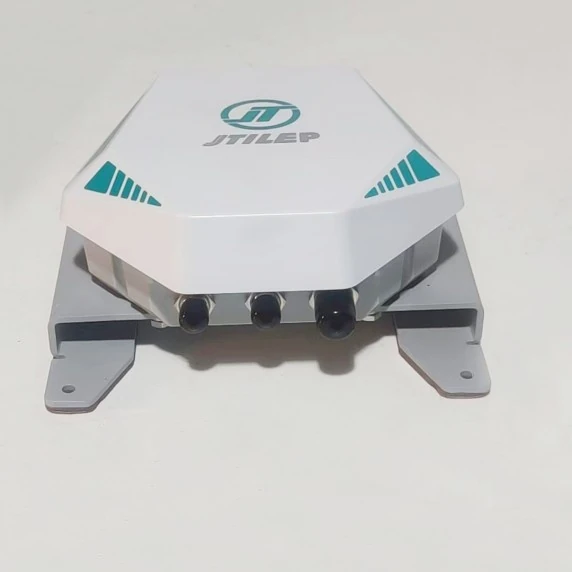
Field boundaries, headlands and obstacles are logged once with the GNSS receiver — the same coordinates both machines will work from.
An A–B line is stored on the HD818 terminal. Every later pass references it, so the row pattern repeats across operators and seasons.
Tillage, seeding and fertilising run under RTK guidance at ±2.5 cm. Overlap and skips stop being a function of who is in the cab.
The JT-80 flies what the tractor cannot reach — closed canopies, wet ground, terraces — at a 12 m swath, 40 L/min, roughly 3 ha per sortie.
The same airframe swaps to the 100 L spread hopper for granular fertiliser or seed, covering ground too soft to carry a loaded spreader.
Coverage maps from both machines are kept, so next season starts from measured results instead of memory.
Six figures that appear in almost every quotation you will receive, and the six assumptions buyers most often make about them. Read this before you compare suppliers — including us.
| The figure | What buyers often assume | What it actually describes |
|---|---|---|
| ≈3 ha | Three hectares per hour, or per day | Per sortie. One battery cycle and one tank. Daily output depends on how many batteries you rotate and how fast you refill, not on the aircraft. |
| ±2.5 cm | The accuracy you get out of the box | RTK accuracy, which requires a base station or a CORS account. Without a correction signal the system does not hold that figure. |
| 50 m | Working height, or spray reach | Obstacle detection range. It says nothing about swath width or droplet deposition, which are separate figures. |
| 9 hr | Flight time | Remote controller endurance (AirPilot 3.5). Flight endurance per sortie is measured in minutes, and the two are unrelated. |
| 2000 m | The radius you can work from | Control and video link range. Effective working area is set by battery and payload, not by the link specification. |
| 1500 cycles | Battery life in years | Charge–discharge cycles at under 7% decay. Calendar life depends entirely on how hard you work the packs. |
Real questions from distributors and large-farm buyers.
Tell us your crop, your acreage, and which pain point you want to solve first. We will propose the minimum-viable stack and scale from there.